
Know Your Limits
Towing might seem as simple as hooking up a trailer and hitting the gas. But towing capacity is one of those numbers that can’t be ignored. Many drivers aren’t sure what their vehicle can handle. And we get it. Between curb weight, gross combined weight, and trailer ratings, it can feel like a mess of numbers. But knowing your towing capacity helps protect your engine, avoid breakdowns, and stay out of trouble on the road. Our Shafter emergency towing experts deal with heavy loads, light-duty jobs, and unusual roadside calls all the time. We know, it always comes down to matching the vehicle to the job. Let’s go over what towing capacity means, how to calculate it, and why it’s something to check before every tow.
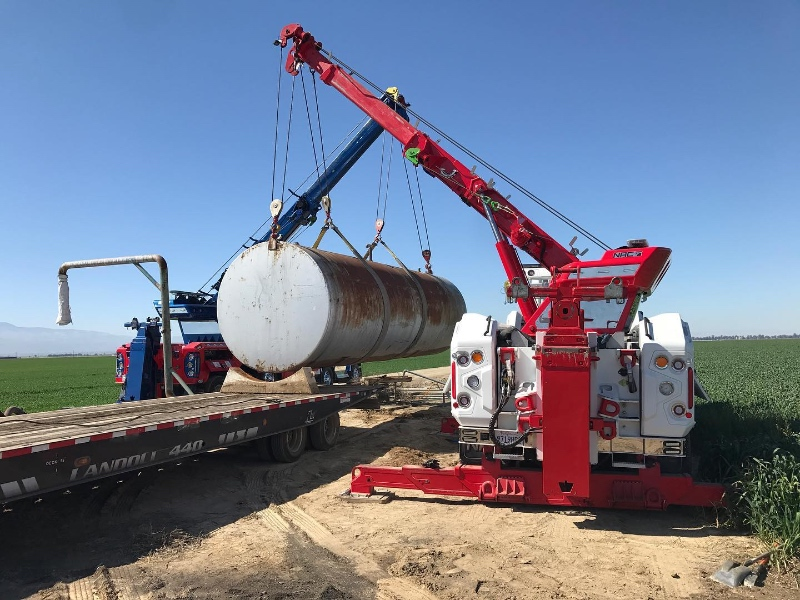
What Is Towing Capacity and How Do We Measure It?
Towing capacity is the maximum weight your vehicle can pull under normal conditions. That number comes from your engine, transmission, axle ratios, suspension, brakes, and even the vehicle frame.
To find your towing capacity, start with your Gross Combined Weight Rating (GCWR). This is the total maximum weight of your vehicle, trailer, and everything inside both. Then subtract your vehicle’s curb weight, which includes fuel, fluids, and passengers. The difference is how much you can tow.
Manufacturer labels and manuals are the best source. We’ve seen drivers go by online charts or old advice and end up in risky situations. When in doubt, check your door sticker or call someone who deals with this every day.
Why Overloading Is a Bigger Deal Than You Think
Adding too much weight to your trailer setup can lead to more than slow acceleration. Here’s what you might be dealing with:
- Brake failure or longer stopping distances
- Suspension or steering system damage
- Engine overheating or ruined transmissions
- Trailer sway or loss of control
During Shafter emergency towing calls, these problems come up more than you’d think.
Trailer Brakes Are Your Best Friend
Trailers over 1,500 pounds should have their own brakes. Relying only on the towing vehicle’s brakes creates extra strain and danger. One downhill stretch is enough to destroy brake pads on a fully loaded truck. We’ve seen it happen.
Tongue Weight: Small Detail, Big Impact
Tongue weight is the downward pressure the trailer puts on the hitch. If it’s too low, the trailer sways. If it’s too high, steering gets unstable. Keep tongue weight at 10–15% of the trailer’s total weight. Anything outside that range affects handling fast.
Don’t Trust Just Any Hitch
Every hitch has its own weight rating. Using one that’s too light for your trailer puts the whole load at risk. For work trucks or full-size trailers, a Class III or higher hitch is often required. It should be bolted securely and matched to your trailer weight. Double-check the chains, the connection points, and the hitch label.
When It’s an Emergency, You Don’t Want to Guess
In Shafter emergency towing situations, towing capacity matters even more. An overloaded vehicle is more likely to break down, spin out, or damage the road. We’ve responded to jobs where towing turned into rescue. These situations are often avoidable.
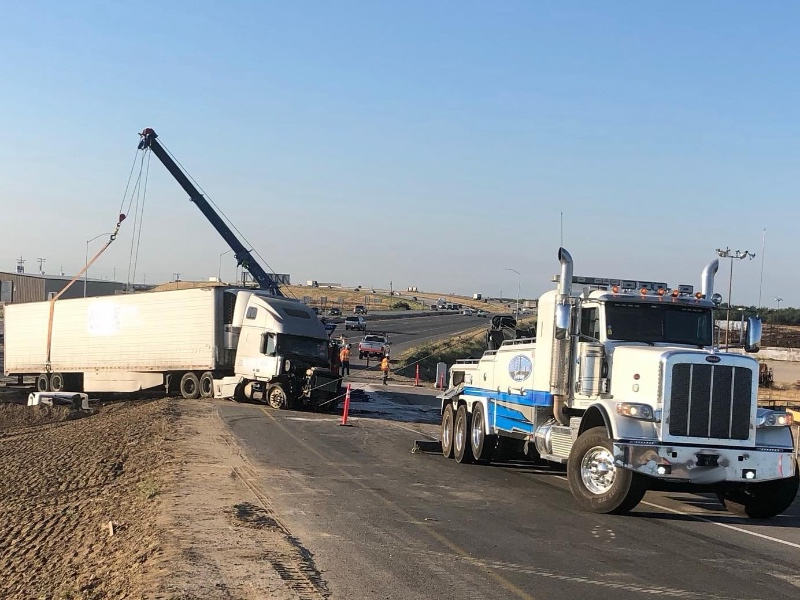
Golden Empire: Shafter Emergency Towing with the Right Gear for the Job
At Golden Empire, we handle Shafter emergency towing every single day. Whether it’s a car, trailer, or truck with a heavy haul, we show up with the gear to match the job. We calculate loads, match the right truck, and know what each setup requires.
Our Shafter emergency towing services are quick, thorough, and backed by real experience. We don’t guess. We show up ready. And if towing capacity was part of the issue, we’ll help you get it right the next time too.
Need help now? Call Golden Empire for Shafter emergency towing done with the right tools, trucks, and numbers.
FAQs
What happens if I tow more than my vehicle can handle?
Towing more than your vehicle’s rated capacity can cause overheating, brake failure, steering issues, and transmission damage. It can also lead to trailer sway or loss of control.
Can I check towing capacity by VIN number?
Yes, many manufacturers let you look up towing capacity using your VIN. It’s the most accurate method since it reflects your specific build and configuration.
Does towing capacity include the weight inside the car?
Yes, it does. Anything inside your vehicle—passengers, gear, fuel—counts toward your total combined weight. That reduces how much you can tow behind it.
What’s the difference between payload and towing capacity?
Payload refers to how much weight your vehicle can carry inside (passengers and cargo). Towing capacity refers to how much it can pull behind it on a trailer.
Why does tongue weight matter?
Too little tongue weight makes the trailer sway. Too much lifts your front tires and reduces control. Getting it right keeps your setup balanced and safe.
Can any vehicle tow a trailer?
Not every vehicle is built for towing. Some small cars aren’t rated for any trailer use. Always check your vehicle’s manual before attaching a trailer.
Do trailer brakes really make a difference?
Absolutely. Trailer brakes reduce stopping distance, prevent wear on your vehicle’s brakes, and improve control—especially on long downhill stretches.
Is it safe to tow without weight distribution?
It depends on the load and the vehicle. For heavier trailers, weight distribution systems improve balance and handling, making your drive safer and smoother.