
Why Your Spare Tire Isn’t Built for the Long Haul
A familiar sight: someone crawling along the highway with a tiny, space-saver donut tire doing all the work. Maybe you’ve even been that driver. If so, you’re not alone. And you’re also not out of the woods. When we roll up to help a driver with a flat through our Bakersfield tire change service, the first thing we stress is that spare tires—especially donuts—are short-term solutions. They’ll get you out of trouble, but they’re not built for the long haul. Literally. Most of the time, they’re just meant to buy you enough time to find a tire shop or get home safely.
If you’re leaning on that spare to carry your commute or run errands for days, you’re pushing your luck. Take it from our roadside assistance experts, it’s just how these tires are built.
Donuts Are Small for a Reason
Donut spares save space and weight, which is great for your trunk and gas mileage. But those advantages come with trade-offs:
- Speed Limitations: Most donut tires are rated for 50 miles per hour, max.
- Range Limits: They’re generally only good for about 50–70 miles of driving.
- Handling Changes: Your car’s performance will feel off—less grip, more sway.
- Braking Risks: Emergency stops become riskier with uneven tire traction.
Why such tight restrictions? Donuts are narrower, with shallower tread and less durability. They’re designed to get you out of a jam, not carry you through the week.
What Happens When You Push It Too Far?
If you drive too long or too fast on a spare, the consequences can show up quick. We’ve seen it firsthand out on the road. Blowouts, shredded sidewalls, bent rims—none of it pretty. A donut tire can’t handle heat buildup from long drives or repeated stops. It’s more vulnerable to potholes and debris, and it puts uneven stress on your suspension and drivetrain.
And here’s a big one: having one smaller tire can throw off systems like ABS and traction control. That tiny wheel in the back might be doing more harm than you think.
So when people ask, “How long can I drive on my spare?” our honest answer is: long enough to get where you need to go today. Not tomorrow. Definitely not the rest of the week.
Bakersfield Tire Change Service Done Right
At Golden Empire Towing, we don’t patch tires, we get you back on the road, fast. Our Bakersfield tire change service is part of our roadside assistance, not a full-on tire replacement. That means we’ll swap your flat for your spare, torque it down, and give you a heads-up about your limits.
Here’s what we suggest after every tire change:
- Head straight to a tire shop: Your donut isn’t meant for side trips.
- Avoid the freeway: Lower speeds are your friend here.
- Check your pressure: Even spares lose air over time.
- Replace the damaged tire ASAP: The longer you wait, the bigger the risk.
We’ve been serving the Bakersfield community long enough to know how easy it is to “just run one more errand” on a donut. But trust us, it’s not worth it.
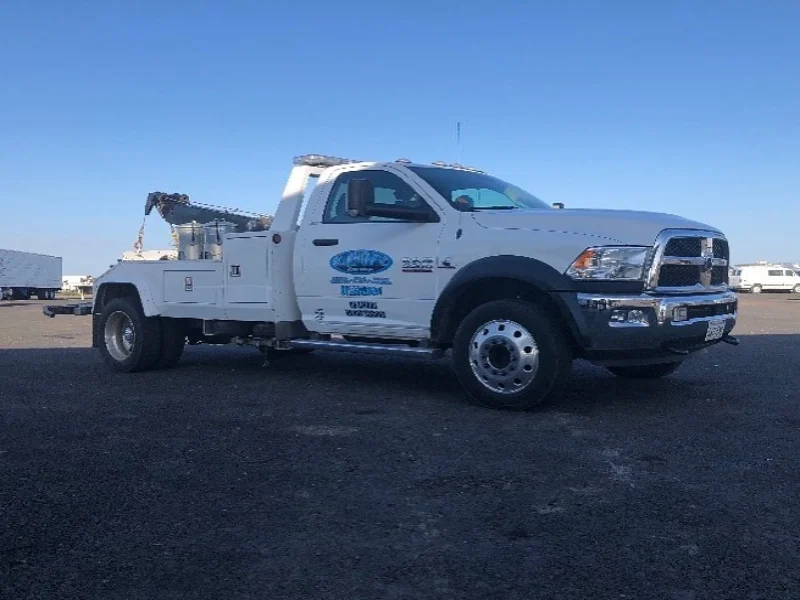
Golden Empire Towing Has You Covered for Bakersfield Tire Change Service
Flat tires don’t happen at convenient times. That’s why we offer 24/7 roadside help, including our Bakersfield tire change service, so you’re never stuck on the side of the road longer than necessary.
When you call us, our Bakersfield tire change service team shows up fast. We come prepared. We’ll swap out your flat, check your spare, and make sure you know what to do next. And if your spare’s already been pushed too far? We can tow you wherever you need to go.
Our goal isn’t just to fix the immediate problem. It’s to keep you safe until you’re back on four good wheels. So if you’ve got a flat and need a Bakersfield tire change service, give us a ring. We’ll bring the wrenches—and the real talk—so you know exactly how long that spare will last.
And spoiler alert: not very long.
FAQ
How fast can you safely drive on a donut tire?
Most donut spare tires are only rated for speeds up to 50 miles per hour. Going faster increases the risk of tire failure and loss of control.
How far is too far on a temporary spare tire?
Temporary spares are generally meant to last 50 to 70 miles. Driving beyond that range increases wear and the chance of a blowout.
Can a spare tire damage my car?
Yes, driving long distances on a spare can affect your suspension, drivetrain, and braking systems, especially if the tire size doesn’t match the others.
Why do cars come with donut tires instead of full-size spares?
Donut tires save space and reduce vehicle weight, which helps with fuel efficiency and storage. But they sacrifice durability and performance.
Is it safe to drive on the freeway with a spare tire?
It’s best to avoid highways. High speeds and long distances put stress on a tire that wasn’t designed for that kind of driving.
What should I do right after using my spare tire?
Head to a tire shop as soon as possible. The spare is only a short-term fix, and your main tire needs repair or replacement to drive safely again.